
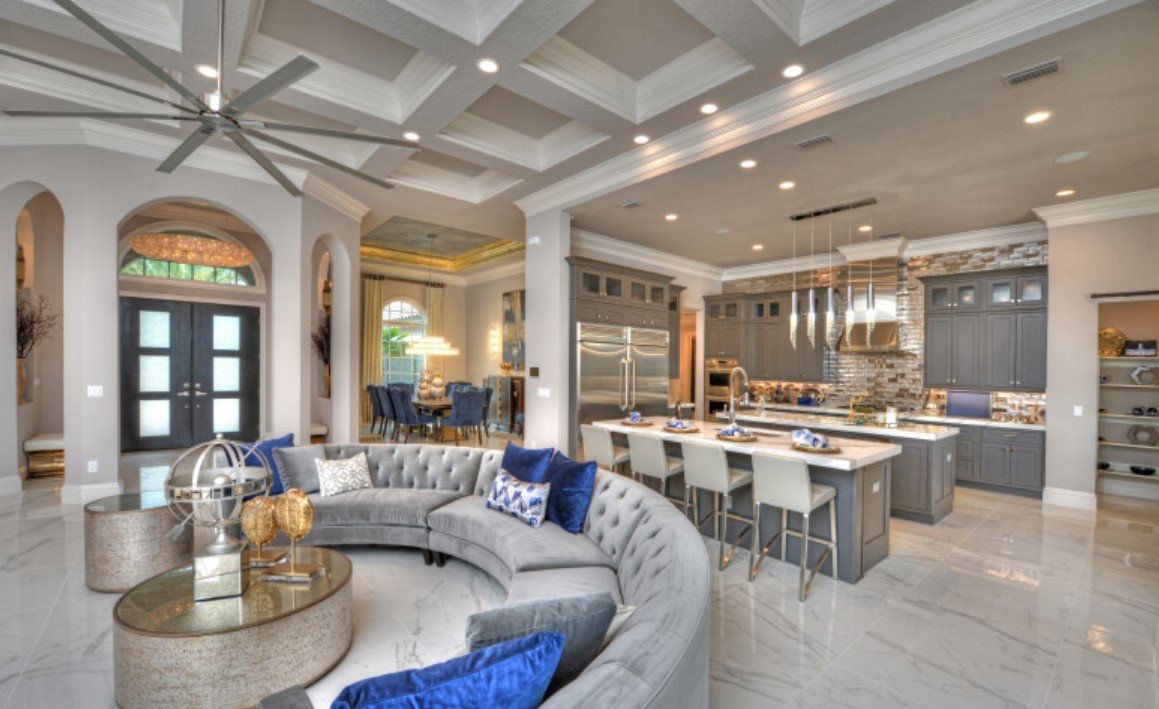
Custom home building represents more than just erecting walls and a roof. It is the thoughtful process of designing and constructing a home tailored to your lifestyle, preferences, and long-term goals. Unlike choosing a pre-built house, custom home building allows you to shape every detail from the ground up. This guide provides in-depth insights into what custom home building involves, how to plan for it, and how to ensure your dream home becomes a reality without compromising quality or budget.
Whether you are a first-time home builder or someone who has built before, understanding the full scope of custom home building is essential. This article will walk you through the benefits, the planning stages, the construction process, and how to select the right professionals who will bring your vision to life.
What Is Custom Home Building?
Custom home building is the process of constructing a home that is uniquely designed for a specific homeowner. Instead of selecting from a set of pre-designed floor plans, custom home building allows you to:
-
Choose your own floor plan and architectural style
-
Customize interior features like kitchen layout, room size, lighting, and finishes
-
Select exterior options including roofing, façade materials, and landscaping
-
Incorporate eco-friendly and energy-efficient systems
-
Build on land you already own or have chosen
This process gives you creative control, ensuring your home satisfies both functional needs and aesthetic desires.
The Benefits of Custom Home Building
One of the biggest advantages of custom home building is personalization. You aren’t adapting your lifestyle to an existing structure; instead, you build a home that fits you. Other key benefits include:
1. Tailored Design: From room configuration to interior style, everything can be customized.
2. Modern Technologies: You can integrate the latest smart home systems, energy-efficient appliances, and sustainable materials.
3. Enhanced Functionality: You decide how each space functions, from storage options to special room features.
4. Long-Term Value: A well-designed custom home can provide increased market value due to superior quality and personalized layout.
5. Quality Control: You work directly with builders and designers to choose materials, fixtures, and finishes, ensuring your home is constructed to your standards.
Understanding these benefits is a major motivator for anyone considering custom home building.
Planning for Custom Home Building
Before construction begins, proper planning is crucial. Planning sets the foundation for smooth execution, cost-effectiveness, and quality results.
Identifying Your Priorities
Start by listing what matters most in your future home. Consider needs such as:
-
Number of bedrooms and bathrooms
-
Special features like home offices, media rooms, or guest suites
-
Outdoor living areas such as patios or decks
-
Future-proofing for growth or accessibility
This list becomes the backbone of your custom home building plan.
Budgeting and Financing
Budget is a defining factor in custom home building. A clear and realistic budget ensures your aspirations remain achievable. When planning your budget, account for:
-
Land acquisition costs
-
Design and architectural fees
-
Permit and inspection costs
-
Material and labor expenses
-
Contingency funds for unexpected delays or changes
You may also explore financing options such as construction-to-permanent loans, which provide funds for building and then convert into a traditional mortgage.
Choosing a Design Professional
Most custom home building projects involve the expertise of an architect or home designer. These professionals help translate your vision into workable blueprints, ensuring structural integrity and compliance with local building codes.
Key aspects design professionals can help with include:
-
Layout optimization
-
Structural engineering support
-
Material and systems recommendations
-
Energy efficiency strategies
A qualified designer adds value by anticipating challenges before construction starts.
The Custom Home Building Process
Custom home building unfolds through a series of important phases that require planning, coordination, and execution.
1. Pre-Construction
This phase includes finalizing the home plans, securing permits, selecting materials, and organizing the construction schedule. It sets the roadmap for the entire project.
2. Groundwork and Foundation
Once permits are secured, construction begins with site preparation and foundation installation. This is a critical stage where precision ensures stability and long-term durability.
3. Framing
The framing phase shapes the skeleton of your home. Walls, floors, and roof structures are built, giving a clear physical outline of the final structure.
4. Mechanical, Electrical, and Plumbing
After framing, mechanical systems including HVAC, plumbing, and electrical wiring are installed. This phase ensures that essential home systems meet code and performance requirements.
5. Insulation and Drywall
Proper insulation contributes to energy efficiency. Once installed, drywall is added to form interior walls and ceilings.
6. Interior and Exterior Finishes
This stage includes flooring, painting, cabinetry, countertops, lighting fixtures, and exterior details. It is where your design choices come to life.
7. Final Inspection and Walkthrough
Before occupancy, a thorough inspection ensures compliance with local building regulations, and a final walkthrough confirms that everything meets expectations.
Choosing the Right Team for Custom Home Building
The success of custom home building largely depends on the team you select. This includes builders, designers, subcontractors, and project managers. Every professional should be:
-
Licensed and insured
-
Experienced in custom home projects
-
Committed to communication and transparency
-
Known for quality craftsmanship
Take time to research, ask for references, and review previous work. Visiting completed homes or job sites gives you insight into their standards and reliability.
Common Challenges and How to Overcome Them
Custom home building is rewarding, but not without its challenges. Some common obstacles include:
Permitting Delays: Plan ahead and work with professionals who know local requirements.
Budget Overruns: Establish a contingency fund of at least 10-15% and prioritize essential features.
Communication Gaps: Schedule regular updates and maintain clear channels of communication with your builder.
Design Changes: Finalize major design decisions before construction to avoid costly revisions.
Being proactive and prepared helps mitigate these common hurdles.
Final Thoughts on Custom Home Building
Custom home building is a journey filled with decisions that shape the home you will live in for years to come. It provides unparalleled personalization, the opportunity to integrate modern systems, and the freedom to express your lifestyle through design. By planning carefully, establishing a realistic budget, and selecting the right team, you set the stage for a successful build that aligns with your vision.
