
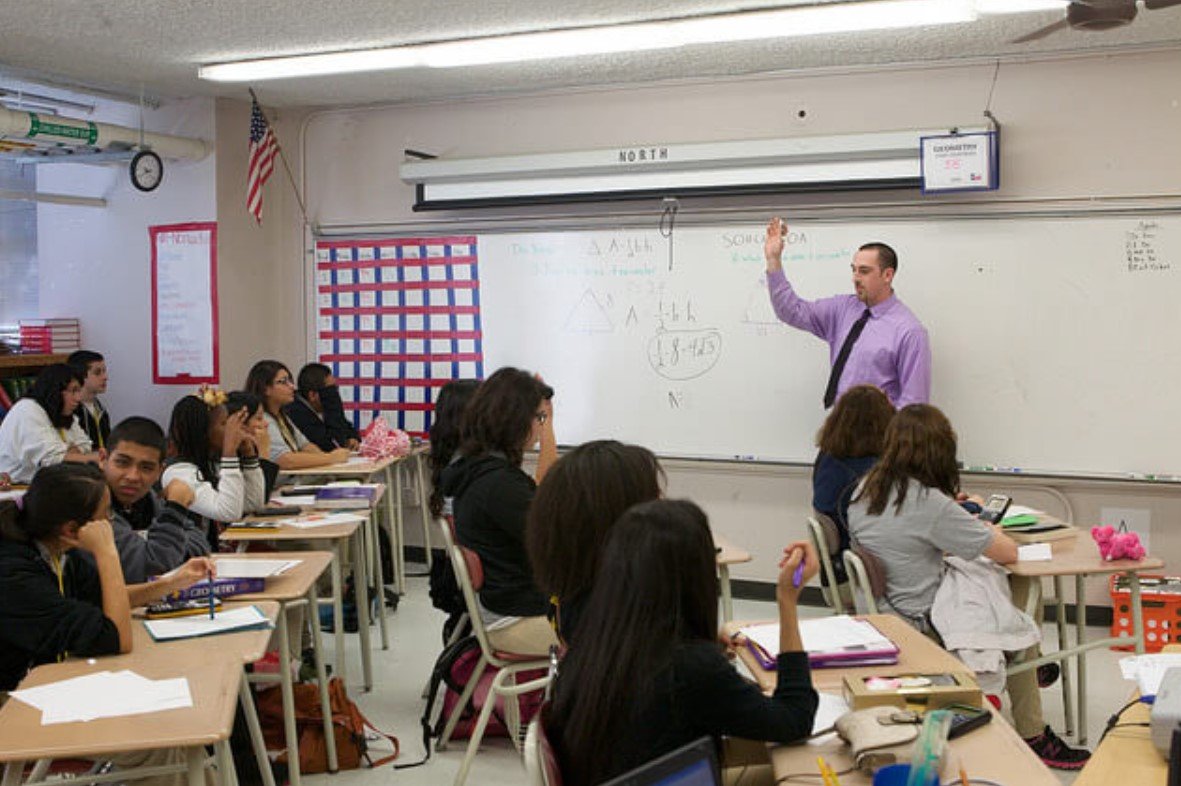
Preparing for the SAT can feel overwhelming, but the right strategies and guidance can transform preparation into a structured and confident journey. A skilled SAT Tutor helps students build strong foundations, correct weak areas, and develop test-taking techniques that lead to higher scores. Success in both Math and Reading sections depends on practice, strategy, and understanding patterns rather than memorization alone.
Understanding the Role of an SAT Tutor in Exam Preparation
A professional SAT Tutor does more than explain answers—they teach students how to think like the test maker. The SAT is designed to evaluate reasoning skills, not just academic knowledge. This means students must learn how to interpret questions, eliminate wrong options, and manage time efficiently.
In Math, tutors focus on algebra, problem-solving, and data analysis. In Reading, they train students to identify main ideas, analyze tone, and understand evidence-based reasoning. With personalized attention, a SAT Tutor can quickly identify where a student is struggling and adjust lessons accordingly.
Key SAT Math Tips for High Performance
The Math section of the SAT requires both accuracy and speed. Many students know the formulas but struggle to apply them under time pressure. A strong SAT Tutor emphasizes practice strategies that improve both understanding and efficiency.
First, focus on mastering core concepts such as linear equations, functions, percentages, and geometry basics. These topics appear frequently, so understanding them deeply is essential.
Second, practice mental math and calculator strategies. While calculators are allowed for some sections, over-reliance can slow you down. A SAT Tutor often encourages students to solve simpler problems mentally to save time.
Third, learn to recognize question patterns. SAT Math questions often follow predictable formats. With enough practice, students begin to see similarities and solve problems faster.
Finally, always review mistakes. Instead of just checking answers, a good SAT Tutor helps students understand why an answer was wrong and how to avoid similar errors in the future.
Reading Section Strategies for Better Comprehension
The Reading section is often challenging because it requires concentration and interpretation skills. A SAT Tutor trains students to read actively rather than passively.
One important strategy is passage mapping. This means quickly noting the purpose of each paragraph while reading. It helps students locate answers faster without rereading entire sections.
Another key tip is focusing on evidence-based questions. The SAT often asks which part of the text supports an answer. A skilled SAT Tutor teaches students to underline or mentally note strong supporting lines while reading.
Vocabulary-in-context questions also appear frequently. Instead of memorizing long word lists, students should learn how word meaning changes depending on context. Tutors often use practice passages to build this skill naturally.
Time management is also critical. Many students spend too much time on difficult questions and rush through easier ones. A SAT Tutor trains students to balance speed with accuracy, ensuring every question gets appropriate attention.
Combining Math and Reading Skills for Overall Success
Although Math and Reading are different sections, they share a common requirement: critical thinking. A SAT Tutor often emphasizes that success comes from developing analytical skills that apply to both areas.
For example, logic and pattern recognition are essential in Math, while inference and interpretation are key in Reading. When students strengthen both skills together, their overall SAT performance improves significantly.
Another important factor is consistency. Studying a little every day is more effective than cramming before the exam. A structured plan created by a SAT Tutor ensures steady progress and reduces exam anxiety.
Effective Study Habits Recommended by SAT Tutors
Developing strong study habits is just as important as learning content. A professional SAT Tutor often recommends the following approaches:
Practice regularly with real SAT questions instead of random exercises. This helps students understand the actual exam format and difficulty level.
Take timed practice tests to build stamina. The SAT is a long exam, so endurance is important. A SAT Tutor uses mock tests to simulate real exam conditions.
Review mistakes carefully. Instead of moving on quickly, students should analyze errors in detail. This turns weaknesses into strengths over time.
Set realistic goals. A SAT Tutor helps students set weekly and monthly targets to track improvement and stay motivated.
How SAT Tutors Build Confidence in Students
Confidence plays a major role in test performance. Even well-prepared students can underperform if they feel anxious. A SAT Tutor helps reduce stress by providing structured learning and continuous feedback.
Regular practice builds familiarity with question types, which naturally increases confidence. Tutors also teach relaxation techniques, such as pacing strategies and question-skipping methods, to avoid panic during difficult sections.
Positive reinforcement is another important element. When students see their progress over time, they become more confident and motivated to improve further.
Final Thoughts on Achieving SAT Excellence
Success in the SAT is not about luck—it is about preparation, strategy, and consistent effort. With the guidance of a skilled SAT Tutor, students can transform weaknesses into strengths and approach the exam with clarity and confidence.
Mastering both Math and Reading requires discipline, but with the right techniques, every student can improve significantly. Whether it is understanding complex math problems or analyzing reading passages, a structured learning approach makes all the difference.
Ultimately, the combination of smart study habits, regular practice, and expert tutoring leads to outstanding SAT performance and opens doors to future academic opportunities.
