
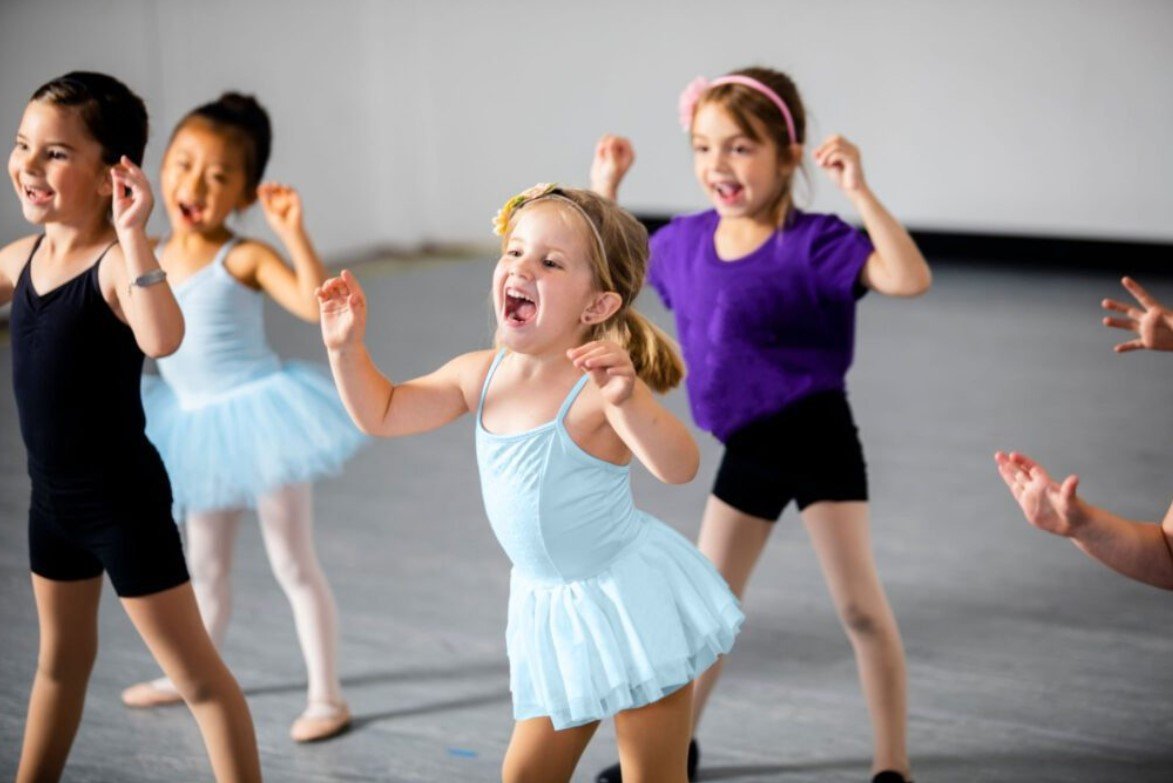
Choosing the right extracurricular activity for your child can be a rewarding yet challenging decision. Among the numerous options, contemporary dance has emerged as a favorite for children who wish to explore movement, creativity, and self-expression. But how do you know if Dance Instruction is Right for Your Child? Let’s dive into the many benefits, considerations, and insights that can help parents make an informed choice.
The Essence of Contemporary Dance
Contemporary dance is more than just physical movement; it’s an art form that merges ballet, modern dance, jazz, and even elements of improvisation. Unlike traditional dance forms that rely heavily on structure and repetition, contemporary dance encourages individuality, emotional expression, and exploration of space. For children, this can translate into enhanced creativity, better self-confidence, and improved communication skills through movement.
Parents often wonder whether their child is ready for this type of expressive art form. The answer largely depends on the child’s personality, interests, and willingness to explore new ways of moving. For some, the free-flowing nature of contemporary dance provides a perfect outlet; for others, it may feel challenging or unfamiliar at first.
Physical Benefits of Dance Instruction
Contemporary dance offers numerous physical advantages that are important for growing children. Regular classes improve flexibility, balance, and coordination. These skills not only support dance performance but also enhance everyday activities such as running, jumping, and even posture while sitting at school.
Moreover, contemporary dance helps children develop muscular strength, particularly in the core, legs, and back. Because many movements involve controlled floor work and dynamic transitions, students gain endurance and body awareness. This focus on physical health can prevent injuries and encourage a lifetime appreciation for fitness.
Parents asking whether Dance Instruction is Right for their child should consider how these physical benefits align with their child’s current abilities and overall health. Even children who are naturally shy or less physically active can experience significant improvements through consistent, guided training.
Cognitive and Emotional Growth
Beyond physical development, contemporary dance nurtures cognitive and emotional skills. Choreography requires children to memorize sequences, follow rhythm, and adapt to changing cues—skills that directly enhance memory, focus, and problem-solving abilities.
Emotionally, dance provides a safe space for children to express feelings they might struggle to verbalize. It encourages self-confidence, resilience, and a sense of accomplishment as they master new techniques or perform in front of peers. Children who participate in contemporary dance often report greater self-esteem and comfort in social situations, making it a holistic developmental tool.
Social Interaction and Collaboration
One of the most overlooked benefits of dance is the social aspect. Contemporary dance classes foster collaboration, teamwork, and empathy. Children learn to work together on group choreography, respect each other’s creative input, and support peers during practice sessions.
This social development is particularly important for children who might find it challenging to engage in team sports or traditional classroom group work. Dance offers a unique environment where creativity and individuality are celebrated, while also emphasizing cooperation and mutual respect.
What to Look for in a Dance Class
When deciding if Dance Instruction is Right for Your Child, it’s essential to consider the quality of the dance program. Look for instructors who emphasize both technical skills and personal growth. A positive, supportive environment is key to fostering long-term interest and enjoyment in dance.
Additionally, observe how classes are structured. Ideally, a program should balance structured technique with creative exploration. Children should feel challenged but not pressured, allowing them to enjoy learning at their own pace.
Parents can also inquire about performance opportunities, class size, and the curriculum’s flexibility. Smaller classes often provide more individualized attention, which can be beneficial for children just starting contemporary dance.
Addressing Potential Concerns
Some parents worry that contemporary dance may be too physically demanding or confusing for younger children. However, experienced instructors tailor movements to each age group and skill level. Classes typically begin with basic coordination exercises, gradually introducing more complex choreography as students build confidence and strength.
Another concern might be stage fright or shyness. While performing can be intimidating initially, supportive dance communities encourage gradual exposure. Over time, many children grow more comfortable with public performances, boosting confidence both on and off the stage.
Making the Decision
Ultimately, whether Dance Instruction is Right for Your Child depends on your child’s interest, temperament, and willingness to explore movement as a form of self-expression. Contemporary dance can be a transformative experience for children, offering physical, cognitive, emotional, and social benefits.
Start by discussing the idea with your child, visiting local dance studios, and possibly attending a trial class. Observe how your child responds to the environment, the teaching style, and the type of movements involved. If they show curiosity, enjoyment, and engagement, contemporary dance may be an excellent fit for nurturing creativity and overall development.
Conclusion
Choosing the right extracurricular activity is about finding what inspires and motivates your child. Contemporary dance offers a unique combination of physical exercise, creative expression, and personal growth. By carefully evaluating whether Dance Instruction is Right for Your Child, you can provide an enriching experience that cultivates confidence, artistic skills, and social abilities.
With the right guidance and support, contemporary dance can become more than just a hobby—it can be a lifelong source of joy, self-expression, and empowerment.
